
Introduction
Prototyping is one of the maximum vital tiers in product design and development. It bridges abstract thoughts with actual answers. Prototypes help teams validate principles, refine person reports, and trap problems earlier than investing principal resources. But no longer all prototypes offer the identical value. Static mockups and wireframes are useful in early ideation, but they often pass over the whole scope of consumer interaction. Interactive prototypes solve this hole. They permit users click on, scroll, navigate, and interact with the product as they could within the very last model. This adds readability, alignment, and self assurance for both design teams and stakeholders.
Building prototypes that truly work takes careful thought, planning, and execution. They must do more than look good on a screen—they should reflect how the product will function in the real world. This means focusing on usability, user flows, and engagement, not just aesthetics. Whether it’s a mobile app, web platform , or any digital product, interactive prototyping ensures your vision matches user needs and business goals. In this article, we’ll explore how to build interactive prototypes that deliver real value. We’ll look at why they matter, how they differ from static prototypes , and what makes them successful in practice.
Understanding Interactive Prototypes
Why Interactive Prototypes Matter:
In digital product format, time is constantly important. Teams must deliver testimonies that meet consumer dreams and additionally stand out in a crowded market. Interactive prototypes assist by letting designers, developers, stakeholders, or maybe customers revel in the product earlier than any production code is written. Static mockups can only show what a display seems like, however interactive prototypes display the manner it behaves. This is wherein the actual rate of product design appears. Imagine showing stakeholders a fixed of polished presentations—they will approve the colors and layout, however without clicking, navigating, or seeing transitions, they could’t completely draw close how it will paintings. Interactive prototypes take away this barrier with the resource of turning abstract thoughts into real, usable studies.
The value of this shift is difficult to overstate. For one, it reduces the hazard of miscommunication among design and development teams. When a developer receives a static display screen, there’s room for interpretation: Should this button take me to a brand new page? Should it trigger a modal? What occurs if the user presses it twice in short succession? Without an interactive model, those questions stay unanswered, leading to assumptions, transform, and delays. Interactive prototypes remove ambiguity by means of providing clear, testable examples of the way the product should behave. This readability shortens comments loops, will increase efficiency, and decreases luxurious revisions later inside the project. Beyond inner blessings, interactive prototypes also play a critical function in user trying out. Asking a consumer to provide feedback on a static wireframe is confined at satisfactory; you would possibly get input on format, colours, or perceived usability.
The Difference Between Static and Interactive Prototypes:
When discussing prototypes, it’s essential to attract a clean distinction among static and interactive variations, due to the fact at the same time as they’ll serve comparable purposes in validating ideas, the manner they attain those purposes is basically unique. Static prototypes—along with wireframes, sketches, or screen mockups—are basically snapshots of a product’s design. They are useful for visualizing structure, format, and fashionable design path. For example, a wireframe would possibly display in which the navigation bar might be placed, how a product grid would possibly look, or what form of information hierarchy might be offered on a web page. These prototypes excel at early ideation because they’re quick to create, smooth to update, and reasonably-priced to provide. They permit teams to iterate rapidly and explore a couple of layout instructions before committing big time and sources. However, their usefulness diminishes once the focus shifts to capability, because static prototypes cannot seize interactivity or dynamic behavior.
Interactive prototypes, by using comparison, go past static representations. They simulate actual use cases via permitting clicks, faucets, swipes, transitions, and other interactions. For example, in place of displaying a flat photo of a button, an interactive prototype permits the person to press the button and notice what takes place subsequent. These interactions convey the design to life, giving users and stakeholders a sense of the way the very last product will function. This distinction is not just cosmetic—it’s transformative. While a static wireframe might be enough to bring the idea of a navigation menu, most effective an interactive prototype can display whether or not that menu feels intuitive to apply.
Benefits of Interactive Prototypes

Streamlining the Design and Development Process:
One of the maximum instantaneous advantages of building interactive prototypes is how dramatically they streamline the design and development method. In traditional product layout cycles, there is usually a extensive hole between what designers envision and what builders subsequently build. This gap arises due to the fact static wireframes, specifications, or layout files can simplest cross to this point in describing the supposed behavior of an software. Developers are regularly left to interpret necessities, fill in the blanks, or make assumptions about capability that wasn’t explicitly described. These assumptions can result in remodel, scope creep, and frustrations that postpone the overall timeline. By introducing interactive prototypes early, groups can bridge this hole before it becomes high-priced. Interactive prototypes offer a tangible version of the product’s intended interactions, which leaves a ways less room for misunderstanding. Developers can click on thru flows, study transitions, and experience the common sense of the product in a way that static artifacts can never offer. This not handiest hastens improvement however also guarantees better accuracy, decreasing the want for rework later.
The streamlined workflow extends to collaboration amongst move-useful teams. Interactive prototypes characteristic as a shared language among designers, developers, and non-technical stakeholders. Instead of counting on dense documents or abstract descriptions, all and sundry can gather across the identical prototype and revel in it at once. This hastens selection-making due to the fact discussions are grounded in some thing tangible.The prototype acts as a unmarried supply of reality for layout reason, lowering the want for lengthy factors or clarifications. Moreover, interactive prototypes can regularly be reused as residing documentation for development groups. Instead of previous design specs that speedy lose relevance, the prototype maintains to evolve alongside the venture, providing ongoing steering and readability. By serving as each a design validation device and a communication asset, interactive prototypes make the layout and improvement technique more agile, responsive, and value-powerful.
Enhancing User Testing and Feedback:
Another profound gain of interactive prototypes is how they elevate the first-rate and reliability of person trying out. User testing is a cornerstone of human-centered layout, allowing teams to validate assumptions and refine answers based on real-international behaviors. However, the effectiveness of person trying out depends closely at the gear used to conduct it. When users are asked to offer remarks on static wireframes or flat mockups, the insights are inherently constrained. They can touch upon visible hierarchy, aesthetics, or perceived usability, but they can not show how they could have interaction with the product in a actual state of affairs. This loss of realism regularly produces comments that is superficial or maybe deceptive. Interactive prototypes triumph over this challenge by means of simulating authentic user stories. Test participants can click, swipe, navigate, and strive duties as they could in a actual product. This interaction uncovers some distance richer insights, inclusive of whether users can entire workflows effectively, whether transitions feel intuitive, or wherein bottlenecks in navigation arise.
By observing customers engage with prototypes, teams can gather behavioral facts that is far more actionable than verbal comments alone. For instance, if a person hesitates earlier than clicking a button, struggles to discover a menu item, or turns into careworn with the aid of a transition, these indicators indicate usability problems that must be addressed. Interactive prototypes make it feasible to capture these friction points early, lengthy before they turn out to be embedded in manufacturing code. This saves enormous effort later inside the method, as usability flaws discovered for the duration of improvement or after release are far greater luxurious and detrimental to repair. Beyond figuring out problems, interactive prototypes additionally permit teams to test opportunity answers fast. Designers can create more than one variations of a flow and take a look at them with actual users to peer which performs nice. This iterative technique ensures that the very last product isn’t always best practical however also optimized for actual user desires.
Building Prototypes That Actually Work
Choosing the Right Tools and Techniques:
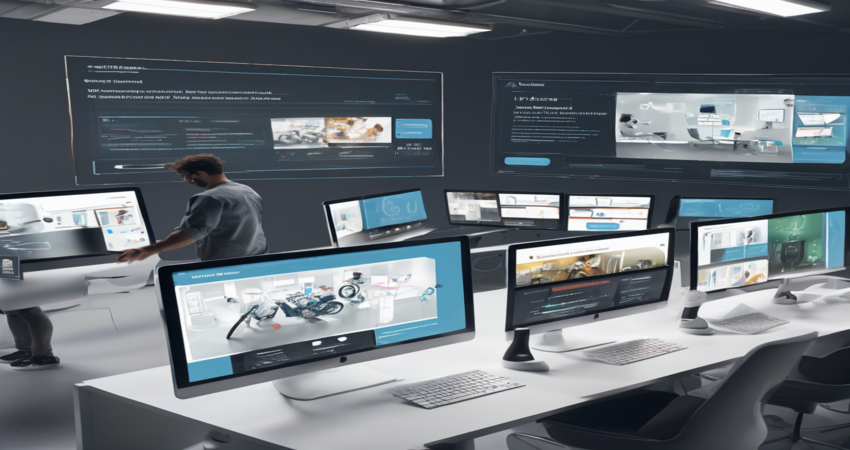
Building interactive prototypes that actually replicate how a product will artwork starts offevolved with selecting the proper system and strategies. In nowadays’s format surroundings, groups have access to a substantial variety of prototyping systems, each with its strengths and obstacles. Some equipment, in conjunction with Figma, Adobe XD, and Sketch, are favored for their seamless integration with layout workflows and collaboration features. Others, like InVision or Axure, provide deeper prototyping abilities, consisting of conditional common sense, dynamic interactions, or adaptive views throughout gadgets. The choice of tool frequently relies upon at the complexity of the prototype and the desires of the assignment. For simple prototypes that attention extensively talking on navigation flows, a lightweight device with drag-and-drop linking can also suffice. For greater complex products—say, a financial app with multi-step paperwork, blunders states, and branching true judgment—a stronger platform is important to simulate sensible interactions.
Beyond selecting software program, organizations ought to additionally bear in thoughts prototyping techniques that balance constancy, speed, and flexibility. Low-fidelity interactive prototypes, often known as “clickable wireframes,” emphasize capability over aesthetics. They might also additionally appearance tough but are effective for finding out individual flows early with out making an funding closely in layout polish. High-fidelity prototypes, however, reason to mirror the final product as carefully as possible, incorporating genuine visuals, animations, and microinteractions. As the design progresses, better fidelity turns into essential to seize nuanced behaviors and offer stakeholders with a powerful experience. Ultimately, the tools and strategies chosen should serve the overarching goal: building a prototype that communicates intent, enables trying out, and publications improvement with readability.
Best Practices for Building Effective Prototypes:
Beyond gear and strategies, constructing prototypes that simply paintings calls for adherence to great practices that align design efforts with actual-world effects. One of the most vital practices is starting with clear dreams. Before commencing any prototyping tool, groups should outline what they need to study or display with the prototype. Is the goal to check navigation flows with users? To persuade stakeholders of the product’s viability? To offer developers with readability approximately supposed behaviors? Each of those objectives may additionally require a extraordinary stage of fidelity and consciousness. Without clean desires, prototypes risk becoming unfocused, trying to do too much right now or failing to address the maximum urgent questions. Establishing targets in advance gives a filter out for decision-making, making sure that every detail protected within the prototype serves a cause.
Another best exercise is keeping a stability among pace and depth. Prototyping flourishes on generation—the faster teams can create, take a look at, and revise prototypes, the higher the final product turns into. However, pace need to no longer come at the price of depth or accuracy. A rushed prototype that oversimplifies interactions may also fail to uncover critical usability problems. Conversely, a prototype this is overly particular can also sluggish down the manner, delaying comments and generation. Striking the right stability requires judgment and discipline. Teams ought to ask themselves: “What is the minimum stage of detail we want to check this idea correctly?”
Conclusion
Interactive prototypes are far greater than seen mockups; they may be jogging fashions that deliver ideas to lifestyles, bridge verbal exchange gaps, and validate designs with real users. Unlike static prototypes, which give handiest a picture of a product’s appearance, interactive prototypes show capability, conduct, and price in methods that inspire self guarantee and readability. They streamline collaboration among designers and builders, reduce pricey transform, and accelerate time-to-marketplace. They additionally beautify person checking out by the usage of imparting proper critiques that show insights inconceivable with flat wireframes. For stakeholders, interactive prototypes inform compelling stories that make picks simpler and investments greater confident. In a international in which digital evaluations determine achievement, the ability to build prototypes that virtually paintings is not non-obligatory—it’s far crucial.
Interactive prototyping turns vision into truth before improvement starts. Choosing the proper tools, applying disciplined strategies, and following quality practices help groups build powerful prototypes. These prototypes do extra than simulate—they form the product into something usable, applicable, and powerful. They lower risks, enhance usability, and align groups throughout all ranges. Prototyping additionally gives groups self belief in layout and clarity in execution. This ensures the final product meets consumer desires and enterprise dreams. For any team extreme approximately virtual fulfillment, gaining knowledge of interactive prototyping isn’t always just a skill—it’s far a competitive advantage.